
Beschrijving
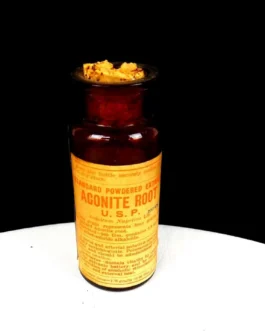
Aconitine-gif te koop
Overzicht
Aconitine is a highly toxic alkaloid found in various species of plants belonging to the Aconitum genus, commonly known as aconite or monkshood. It is infamous for its potent cardiotoxic and neurotoxic effects.
Werkingsmechanisme
Aconitine acts by binding to and activating voltage-gated sodium channels in nerve and muscle cells. This leads to prolonged depolarization of cell membranes, disrupting normal electrical activity in the heart and nervous system.
Hoe het werkt
Exposure to aconitine can occur through ingestion or skin contact with contaminated plants or herbal preparations. It rapidly affects the cardiovascular and nervous systems, leading to symptoms such as arrhythmias, seizures, and respiratory failure.
Hoeveelheid die nodig is om schade te veroorzaken
Aconitine is extremely potent, and even small amounts can be lethal. The lethal dose can vary widely depending on factors such as the individual’s health and the concentration of aconitine in the plant or preparation.
Tekenen en symptomen
Symptoms of aconitine poisoning include:
- Vroege symptomen: Numbness and tingling around the mouth and extremities.
- Progressieve symptomen: Severe nausea, vomiting, abdominal pain, irregular heartbeats, muscle weakness, and potentially fatal arrhythmias.
Bronnen en distributie
Aconitine is primarily found in the roots, leaves, and seeds of plants in the Aconitum genus, which are distributed in temperate regions worldwide. They are used in traditional medicines and as ornamental plants.
Detectie en behandeling
- Detectie: Diagnosis is based on symptoms and a history of exposure to aconite-containing plants or preparations.
- Behandeling: There is no specific antidote for aconitine poisoning. Treatment focuses on supportive care, including respiratory and cardiovascular support, as well as gastrointestinal decontamination if ingestion is recent.

Preventie
- Safety Measures: Avoid handling or consuming wild plants of the Aconitum genus. Proper education and awareness are essential for preventing accidental poisoning.
Conclusie
Aconitine is a highly toxic alkaloid found in plants of the Aconitum genus, known for its severe cardiotoxic and neurotoxic effects. Understanding its mechanisms, symptoms of poisoning, and appropriate safety measures is crucial for preventing accidental exposure and ensuring prompt medical intervention. buy research chemicals, research chemicals for sale. Buy poisons and toxins anonymously.

Onderzoekschemicaliën te koop
Aconitine is a highly toxic alkaloid found in plants of the Aconitum genus, known for its severe cardiotoxic and neurotoxic effects. Understanding its mechanisms, symptoms of poisoning, and appropriate safety measures is crucial for preventing accidental exposure and ensuring prompt medical intervention.
Exposure to aconitine can occur through ingestion or skin contact with contaminated plants or herbal preparations. It rapidly affects the cardiovascular and nervous systems, leading to symptoms such as arrhythmias, seizures, and respiratory failure.
Best Place to Buy Cyanide, Arsenic, and Plant Poisons – COA Provided Bio Weapons: Buy poisons and toxins, buy VX Nerve Agent,Aconitine ,Arsenic ,Batrachotoxin ,Botulinum Toxin,Cyanide,Dimethylmercury,Maitotoxin,Polonium-210 ,Ricin Poison,Sarin Poison,Tetrodotoxin Poison
Poisons For Sale Shop Aconitine poisoning is now rare, but it still occurs through accidental ingestion of plant material or intentional poisoning. Buy Aconitine Poison online.
Aconitine Poison is a highly toxic alkaloid found in various species of plants belonging to the Aconitum genus, commonly known as aconite or monkshood. It is infamous for its potent cardiotoxic and neurotoxic effects.research chemicals for sale Mechanism of Action Aconitine acts by binding to and activating voltage-gated sodium channels in nerve and muscle cells. This leads
Atropine, Aconitine, Strychnine, and Digitalis – For cardiac and nervous system research. Colchicine & Oleandrin – Crucial for cancer research. Coniine & Taxine – Classic gifstoffen for toxicological applications.
aconitine, aconitine and muscles, aconitine and nervous system, aconitine and respiratory failure, aconitine bacteria, aconitine detection, aconitine in plants, aconitine in seafood, aconitine poisoning symptoms, aconitine statistics, aconitine therapy, antidote for aconitine,

Beoordelingen
Er zijn nog geen beoordelingen.