
Opis
Tetraetil olovo na prodaju | Gdje kupiti tetraetil olovo
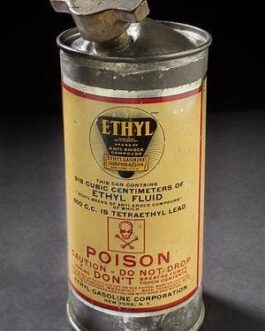
Tetraetil olovo (TEL) je organolead spoj s formulom Pb(C2H5)4. Povijesno se koristio kao aditiv za benzin kako bi se spriječilo kucanje motora, ali je njegova upotreba uvelike ukinuta zbog ozbiljnih zdravstvenih i ekoloških problema povezanih s trovanjem olovom.
Kupite tetrietil olovo
Opće informacije
CAS broj
Naziv proizvoda
IUPAC-ovo ime
Molekulska formula
C8H20P
Molekulska masa
InChI
InChI ključ
Smijeh
topivost
Topiv u benzenu, petrolejnom eteru, benzinu; slabo topiv u alkoholu
topiv u mastima
Topiv u svim organskim otapalima; netopiv u razrijeđenim kiselinama ili luženjacima.
U vodi, 0,29 mg/L pri 25 °C
Topljivost u vodi: vrlo loša
Kanonizirani SMILES
Opis
Tetraetil olovo je organsko olovno spojanje s kemijskom formulom C8H20Pb. To je bezbojna, viskozna tekućina koja ima sladunjav, ustajali miris. Tetraetil olovo je prvi put uvedeno 1920-ih kao aditiv u benzin kako bi se poboljšao njegov oktanski broj, čime se poboljšavaju performanse motora smanjenjem treskanja tijekom sagorijevanja. Sjedinjeno se sastoji od jednog atoma olova povezanog s četiri etilne skupine, poprimajući tetraedarsku strukturu, što doprinosi njegovoj učinkovitosti kao sredstva protiv treskanja u motornim pogonima s unutarnjim izgaranjem.
.
Mehanizam djelovanja
U benzinskim motorima TEL djeluje kao sredstvo protiv treskanja. Tijekom izgaranja TEL se razgrađuje, oslobađajući slobodne etilne radikale (C2H5•) koji uklanjaju slobodne hidroksilne radikale (OH•) nastale tijekom reakcije. To smanjuje koncentraciju OH• radikala, koji su odgovorni za poticanje nekontroliranih lančanih reakcija koje dovode do treskanja [
].
Sigurnost i opasnosti
TEL je vrlo otrovan spoj. Izloženost TEL-u može uzrokovati trovanje olovom, što dovodi do oštećenja živčanog sustava, razvojnih problema kod djece i disfunkcije bubrega [
]. Udahnuti ili apsorbirani TEL može se nakupljati u tijelu zbog svoje lipofilne prirode (privlači se mastima) []. Ozbiljni zdravstveni učinci povezani s upotrebom TEL-a, zajedno s njegovom postojanošću u okolišu, doveli su do njegovog globalnog ukidanja u benzinu s olovom počevši od 1970-ih [
].
Kemijske reakcije
, osobito kada je izložen oksidacijskim sredstvima i jakim kiselinama. Može nasilno reagirati sa tvarima poput perklorata, peroksida i klorata, što dovodi do opasnosti od požara i eksplozija. Glavna reakcija za njegovu sintezu uključuje reakciju kloroetana s legurom natrija i olova:
Pri izgaranju u motoru tetrietil olovo se razlaže i stvara olovni oksid (PbO), što pomaže spriječiti pretpaljenje i kucanje motora umjerenjem procesa izgaranja
.
Biološka aktivnost
Tetraetil olovo je izrazito toksično i predstavlja značajan rizik za zdravlje. Akutna izloženost može uzrokovati simptome poput anksioznosti, razdražljivosti, glavobolja, dezorijentacije i teških neuroloških učinaka, uključujući konvulzije i komu. Kronična izloženost može dovesti do dugoročnih zdravstvenih problema, poput trovanja olovom, koje pogađa različite tjelesne sustave, osobito živčani sustav.
. Spoj se također klasificira kao opasna tvar zbog mogućeg utjecaja na okoliš i postojanosti u ekosustavima. Tetraetil olovo na prodaju.
.
Metode sinteze
Glavna metoda sinteze tetrietilolova uključuje reakciju etilklorida s legurom natrija i olova. Taj se proces provodi pod kontroliranim uvjetima kako bi se smanjio rizik od eksplozija zbog reaktivnosti spoja. Dobiveni se proizvod zatim pročišćuje parnom destilacijom, koja odvaja tetrietilolov od nusproizvoda poput natrijevog klorida i viška olova. Kupite otopinu tetrietilolova.
.
Studije interakcije
Istraživanja su pokazala da tetrietil olovo stupa u interakciju s enzimima citokrom P450 u biološkim sustavima, što dovodi do dealkilacije spoja u manje složene alkil-olovne vrste. Ovaj metabolički put ističe potencijalnu toksičnost spoja i njegov utjecaj na ljudsko zdravlje pri udisanju ili kontaktu s kožom. Najprodavanije tetrietil olovo.
. Osim toga, studije su pokazale da tetrietil olovo može stvarati štetne komplekse s raznim biološkim molekulama, pojačavajući njegove toksične učinke. Tetrietil olovo na prodaju.
.
Slični spojevi
Nekoliko spojeva pokazuje slična svojstva ili primjene kao tetrietil olovo. Ispod je usporedba koja ističe njihove jedinstvene značajke:
| Složeni | Kemijska formula | Upotrebljavati | Razina toksičnosti |
|---|---|---|---|
| Tetraetil olovo | C8H20Pb | Antiklopni aditiv u benzinu | Visoko otrovno |
| Metilciklopentadienil mangan trikarbonil | C7H9MnO3 | Antiklopni agent (alternativni) | Umjereno otrovno |
| Ethanol | C2H5OH | Aditiv za gorivo | Niska toksičnost |
| Metil tert-butil eter | C5H12O | Oksigenirajte za gorivo | Niska toksičnost |
Tetraetil olovo je jedinstveno među ovim spojevima zbog svoje visoke toksičnosti i povijesne važnosti kao aditiva za gorivo prije nego što je postupno povučeno iz upotrebe zbog zabrinutosti za okoliš i zdravlje. Suprotno tome, alternative poput metilciklopentadienil mangana trikarbonila manje su toksične, ali i dalje učinkovite kao sredstva protiv treskanja.
.
Specifikacija
Fizički opis
Tekući
Bejspalna tekućina (osim ako nije obojena u crvenu, narančastu ili plavu) ugodnog, slatkog mirisa. [Napomena: Glavna primjena je u antiklopnim aditivima za benzin.] [NIOSH] Zapaljiva, ali ne piroforna i ne reagira s vodom; [Sullivan, str. 979]
BESKOLORNA VISKOZNA TEČNOST S KARAKTERISTIČNIM MIRISOM.
Bespobojna tekućina (osim ako nije obojena u crvenu, narančastu ili plavu) s ugodnim, slatkim mirisom. Najprodavaniji tetrietil olov.
Boja/Oblik
Bespojna tekućina (osim ako nije obojena u crvenu, narančastu ili plavu).
Točna masa
Monoizotopska masa
Točka ključanja
Oko 200 °C, također navedeno kao 227,7 °C pri razlaganju
199 °C
Točka ključanja
200 °F (zatvorena šalica); 185 °F (otvorena šalica)
200 °F (93 °C) (zatvorena šalica)
93 °C c.c.
200 °F
Broj teških atoma
Gustoća pare
8.6 (zrak = 1)
Relativna gustoća pare (zrak = 1): 8,6
8.6
Gustoća
1,653 pri 20 °C
Relativna gustoća (voda = 1): 1,7
1.65
Miris
Ugodan, sladak miris
Rastavljanje
Tetraetil olovo (TEL) može se razložiti eksplozivnom silom ako je temperatura veća od 80 °C.
Rđa i neki metali uzrokuju raspadanje.
Raspadne se kad je izložen sunčevoj svjetlosti ili kad se dopusti da ispari; pri tome nastaje trietil olovo, koje je također otrovni spoj, kao jedan od produkata raspada. … Kad se zagrije do raspada, ispušta toksične olovne isparenja.
Sagorijevanje olovnog benzina u motoru s unutarnjim izgaranjem dovodi do potpunog razgradnje olovnog alkil-skupine. Organski bočni lanci bit će reducirani na vodu i ugljični dioksid, a olovo će ili biti uklonjeno katalizatorom za uklanjanje etilenskih halida ili završiti suspendirano ili kao talog u ulju kartera.
110 °C
Ostali
UNII
Mehanizam djelovanja

Tetraetil olovo na prodaju
Pritisak pare
0,26 [mmHg]
0,26 mm Hg pri 20 °C
Pritisak pare, kPa pri 20 °C: 0,027
0,2 mmHg
Nečistoće
Usmjerenje i izlučivanje
Studije raspodjele olova u tkivima štakora i pasa izloženih smrtonosnim udisajnim dozama tetrietilolova (TEL) ili tetrametilolova (TML) te u ljudi smrtno otrovanih TEL-om otkrile su razine olova (Pb) od 0,7–13,0 mg/100 g tkiva u plućima, mozgu, jetri i bubrezima kod tri vrste. Razine olova (Pb) u ljudskom mozgu, jetri i bubrezima bile su slične onima u odgovarajućim tkivima štakora i pasa.
U slučajevima slučajnog trovanja tetrietilolovom (TEL), jetra, bubrezi, gušterača, mozak i srce nakupljaju trietilolov, a ukupna koncentracija olova (Pb) u tkivima korelira s koncentracijama trietilolova u odgovarajućim tkivima.
Za više podataka o apsorpciji, distribuciji i izlučivanju (kompletno) za tetrietil olovo (ukupno 25), posjetite stranicu zapisa HSDB. Najprodavanije tetrietil olovo.
Metabolizam Metaboliti
Dealkilacija tetrietilolova u mikrosomima zahtijeva kisik i NADPH te je uočena u homogenatima jetre, bubrega i mozga štakora i kunića.
Biološka degradacija tetrietilolova u trietilolov kation proučavana je na mikrosomima jetre štakora iz neobrađenih, fenobarbitalom i metilkolantrensom prethodno tretiranih štakora; nikotinamid-adenin dinukleotid fosfat i kisik su neophodni. Tekući etil tetrietilolov za prodaju.
Za više podataka o metabolizmu/metabolitima (kompletno) za tetrietil olovo (ukupno 10), posjetite stranicu zapisa HSDB-a. Kupite tetrietil olovo online.

Povezane kemikalije
Upotrijebite klasifikaciju
Metode proizvodnje
Najpoznatiji industrijski postupak za proizvodnju … tetrietilolova je reakcija legure natrija i olova PbNa s … etilkloridom. Gdje kupiti tetrietilolov.
Opće informacije o proizvodnji
Rafinerije nafte
Veleprodaja i maloprodaja
Plumbane, tetraetil-: AKTIVNO
TP – označava tvar koja je predmet predložena pravila o ispitivanju prema odjeljku 4. TSCA-e.
Odmah nakon proizvodne faze proizvođač je odgovoran za miješanje olovnog alkil-sulfata s etilen-dikloridom ili dibromidom kako bi stvorio cjeloviti paket aditiva za benzin …
Tetraalkilni spojevi olova više se ne proizvode u Sjedinjenim Američkim Državama. Tekući etil-tetraetil-olovo na prodaju.
Gdje kupiti tetrietil olovo
Analitičke laboratorijske metode
UZORCI VRSTA TETRAALKILOVA OLOVA U ZRAKU PRIKUPLJANI SU NA STAKLENIM PERLAMA SMJEŠTENIM U KRYOGENSKOM ZAMKU NA -130 °C, DEZORBIRANE NA TUBNU ISPUNJENU OV-101 U GASCHROM Q I ODREĐENE GASNOJ KRomatografijom-spektrometrijom atomske apsorpcije. PRIJAVLJENE SU GRANICE DETEKCIJE OD 0,2 NG/M3 PO POJEDINAČNOJ VRSTI ZA UZIMANJE UZORAKA OD 1 SAT NA 6 L/MIN. Kupite otopinu tetravrloolovnika.
Zračni tetralkilolantanski spojevi prikupljeni su i kolorimetrijski određeni kao olovni ditizonat. Alternativna metoda je spektrofotometrija atomske apsorpcije s elektrotermalnom atomizacijom.
Za više podataka o analitičkim laboratorijskim metodama (kompletno) za tetrietil olovo (ukupno 48), posjetite stranicu zapisa HSDB. Gdje kupiti tetrietil olovo.
Kliničke laboratorijske metode
Kemijske vrste olova u urinu pacijenata otrovanih tetrietilolovom identificirane su pomoću bezplamene atomske apsorpcijske spektrometrije s generiranjem hidrida. 21 dan nakon izloženosti, urin je sadržavao približno 501 TP3T dietilolova, približno 481 TP3T neorganskog olova i približno 21 TP3T trietilolova.
Metoda: NOAA NST 140.1; Postupak: atomska apsorpcija u grafitnoj peći; Analit: olovo; Matrica: tkiva morskih životinja; Granica detekcije: 0,1 µg/g. /Olovo/
Metoda: NOAA NST 172.1; Postupak: masena spektrometrija plazme indukcijski spojene; Analit: olovo; Matrica: tkiva morskih životinja; Granica detekcije: 0,1 µg/g. /Olovo/
Za više podataka o Kliničkim laboratorijskim metodama (kompletno) za tetrietil olovo (ukupno 6), posjetite stranicu zapisa HSDB. Kupite tetrietil olovo.
Interakcije



Recenzije
Još nema recenzija.